














GettyImages-2271816943

Source: Getty

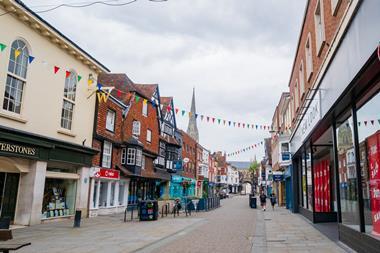
A UK business leader has raised questions about the impact of wider consultations on our high streets. 

Following the Government’s wider push to revive Britain’s high streets, including plans to give communities greater control over the businesses operating locally and the new review into how pubs and hotels are valued for business rates, a business leader has said any plans decided on could make things worse, not better for smaller businesses.

Max Wilson, CEO and co-founder of storage company Pocket Storage has responded by suggesting any new regulations could provide further obstacles to reviving small to medium enterprises (SMEs) on our streets.

He argued that adding more local consultation risks creating another barrier for new SMEs, or those already dealing with high operating costs, planning fees and lengthy approval processes.

1657651882500

Max Wilson.

Wilson said: “You don’t revive a high street by adding another hurdle for businesses trying to open there.”

“Planning costs, change-of-use requirements and slow approval processes can all make opening a physical location more expensive before a business has even started trading.”

Pocket Storage has experienced this first hand. At its Bermondsey site, despite already having the planning permission needed for the premises, the business still had to go through a separate process for external signage, costing around £3,500.

Not convinced

Wilson added: “I’m not convinced that giving local communities more control over what opens on their high streets is necessarily a good thing. In practice, it risks creating another layer of consultation and another opportunity for a perfectly viable business to be delayed or blocked.

“Local people should absolutely have a voice, but that shouldn’t turn into a situation where a vocal minority can make it harder for businesses to open simply because they don’t like that particular type of operator.

“Opening and running a physical business is already expensive enough.”

“The more fundamental issue is that opening and running a physical business is already expensive enough. Rent and business rates are only part of it. There are staffing costs, utilities, insurance, maintenance and, before you’ve even opened the doors, potentially significant planning costs as well. For an SME, all of that feeds into one basic question: does taking this premises actually make commercial sense?”

Wilson also said that it seemed the problem was getting worse, not better: “The calls from independent shops for the same business-rates relief being offered to other sectors also show how broad this issue is becoming.

”We shouldn’t end up with every type of small business having to make its own case for why it deserves support. The real question is whether we’re making it easier or harder for SMEs to open in the first place.

“If the Government genuinely wants more independent businesses on Britain’s high streets, it should focus on reducing those barriers, making planning quicker and simpler, and bringing down the cost of opening and operating. Adding another layer of consultation risks doing the opposite,” Wilson concluded.