
















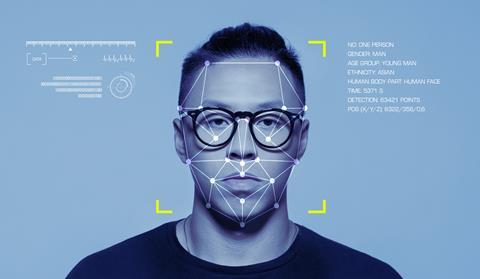
As previously reported, the Government recently responded to a consultation it commissioned on the use of facial recognition technology in law enforcement.
Aspects of the tech, including the ethics behind using it and safeguards that might be implemented for any systems as they evolve were acknowledged, and this week, Biometrics & Surveillance Camera Commissioner, Professor William Webster, has commented.
Get the latest convenience news via whatsapp
Webster said: “I welcome the Government’s response to its consultation on facial recognition and similar biometric technologies. It marks an important step towards primary legislation that will provide a clear legal basis for their use, protect the public and build confidence in how these technologies are deployed.
“Biometric surveillance technologies, including live facial recognition, are intrusive and conflict directly with fundamental human rights, including those associated with freedom of movement, freedom of expression, the right to peaceful assembly and the right to privacy.”
Potential interference
Webster continued: “The Government’s response acknowledges the potential to interfere with these rights, and from my perspective clear legislation and effective safeguards are essential to mitigate these risks.
“As I emphasised in my consultation response, there is a need for clear measures of necessity and proportionality, that robust effective oversight must underpin the framework, and that this oversight must include powers associated with audit, inspection and compliance.
“I’m pleased that the proposals for a new oversight body state it will include compliance powers. The commitments in this response must now translate into effective governance arrangements.

“I’m also pleased to see that the proposed framework will extend across public services, not just law enforcement, that a new statutory code of practice will be published, as well as the commitment to a similar code for the commercial sector.
”This is an important step as it recognises that law enforcement and public safety extend across the public and commercial sectors and is not just the remit of the police.”
Future proof
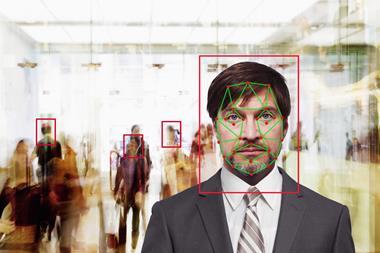
Webster also spoke of the commitment to future proof oversight by capturing new and unforeseen technological developments: “Technology is evolving rapidly. Facial recognition is likely to become increasingly integrated into existing camera networks, and into body-worn video and drones.
”The framework must keep pace with these developments while maintaining meaningful oversight and public confidence, and the ability for Parliament to add other technologies to the framework in the future is essential.
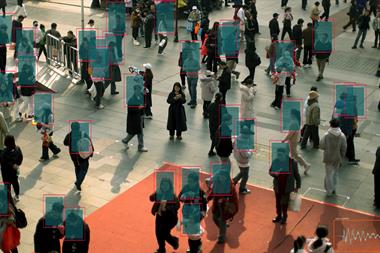
“This is especially important in an era of AI and where video analytics will radically evolve the capabilities of traditional surveillance cameras.”
Webster went on to detail how the tech he had seen highlighted differences in practice between police forces. “The proposed framework offers an opportunity to support consistent compliance with national standards.
”In this respect, the proposed legal framework offers the potential to build on the national standards for video surveillance camera systems promoted by the Home Secretary’s existing Surveillance Camera Code of Practice.
“The commitment to a single oversight body should help clarify the existing cluttered regulatory landscape.”
“The response to the consultation is clear in that it aspires to build on the work already undertaken by the Office of the Biometrics and Surveillance Camera Commissioner and the principles established in the Protection of Freedoms Act 2012. Furthermore, the commitment to a single oversight body should help clarify the existing cluttered regulatory landscape.”
Lacking detail
Webster added that while the Government’s response to the consultation signalled a clear direction of travel, it lacked some detail. He questioned what governance, accountability and oversight mechanisms will be committed to in primary legislation and what will be contained in the proposed new statutory code of practice, as well as querying who would determine the efficacy and acceptability of individual technological applications.
Webster also raised questions about how plans would look in practice, and how compliance would be enforced. On top of this, he suggested that appropriate resources must be attributed to any oversight body that was put in place.
He concluded: “The direction of travel is positive, and I look forward to seeing the full details when the Police Reform Bill is laid before Parliament.
“This legislation represents a once in a generation opportunity to put in place legally binding rules and safeguards that will allow for the proportionate and appropriate use of biometric surveillance technologies in society.”











No comments yet